

Development of a Functional Acceptable Weight Management Snack-Bar From Plant-Based Food Sources Including Moringa Oleifera Leaf Extract
Article Sidebar
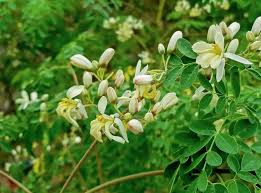
Main Article Content
Abstract
Obesity and overweight are conditions that increase the risk of type-2 diabetes, heart-disease, cancer, and metabolic-syndrome. Plant-based diets, lower in saturated fats and rich in essential nutrients, can regulate appetite and support weight management. This study aims to develop a functional plant-based snack bar using Phoenix dactylifera, Glycine max, Brassica oleracea, Anacardium occidentale, dates, and Moringa Oleifera leaf. The raw materials were processed and used to formulate two snack-bar variants (PSB1 and PSB2), with different proportions. They were evaluated against a standard (PSB-SD) for nutritional, microbial, and sensory properties. Proximate analysis showed PSB1 contained 19.09% carbohydrate, 4.50% crude fiber, 29.40% lipid, and 20.15% crude protein; PSB2 contained 29.21% carbohydrate, 3.30% crude fiber, 16.55% lipid, and 16.64% crude protein. PSB-SD had significantly higher crude fiber (16%) and protein (28%), while PSB2 had the highest moisture (16.85%). All bars were low in minerals except manganese. PBS1 had a significantly higher Vitamin C (2.38%) content than PSB2 (1.21%), while Vitamins B12 and D were undetectable. Microbial analysis showed significantly higher bacterial (2.04 x 10⁸) and fungal (5.08 x 10⁷) counts in PSB2 at week 1, and significantly increased counts in PSB1 (2.85 x 10⁸) and (7.00 x 10⁸) by week 4. Sensory evaluation by 20 participants rated PSB-SD significantly highest in colour, appearance, taste, and overall acceptability. PSB2 was moderately preferred, PSB1 scored lowest in taste and color. This study demonstrates the possibility of plant-based ingredients to create healthy snack-bars for possible weight management and underscores the importance of ingredient balance for nutritional value and microbial safety.
Article Details

This work is licensed under a Creative Commons Attribution-NonCommercial 4.0 International License.
References
1. World Health Organization. Obesity and overweight. World Health Organization. 2019; https://www.who.int/news-room/fact-sheets/detail/obesity-and-overweight
2. Binou P, Yanni AE, Kartsioti K, Barmpagianni A, Konstantopoulos P, Karathanos VT, Kokkinos A. Wheat Biscuits Enriched with Plant-Based Protein Contribute to Weight Loss and Beneficial Metabolic Effects in Subjects with Overweight/Obesity. Nutrients. 022; 14(12):2516. https://doi.org/10.3390/nu14122516
3. Heianza Y, Zhou T, Sun D, Hu FB, Qi L. Healthful plant-based dietary patterns, genetic risk of obesity, and cardiovascular risk in the UK biobank study. Clin. Nutr. 2021; 40(7):4694–4701. doi: 10.1016/j.clnu.2021.06.018
4. Tran E, Dale HF, Jensen C, Lied GA, Hillesund ER. Dietary intake and nutritional status of vegetarians and vegans in Norway: A systematic review. Nutrients. 2020; 12(9):2799. https://doi.org/10.3390/nu12092799
5. Mbikay M. Therapeutic Potential of Moringa oleifera Leaves in Chronic Hyperglycemia and Dyslipidemia: A Review. Front Pharmacol. 2012; 3(24): 1-2. https://doi.org/10.3389/fphar.2012.00024
6. Boukid F, Klerks M, Pellegrini N, Fogliano V, Sanchez-Siles L, Roman S, Vittadini E. Current and emerging trends in cereal snack bars: Implications for new product development. Int. J. Food Sci. Nutr. 2022; 73(5):610–629. https://doi.org/10.1080/09637486.2022.2042211
7. Gbolagade OH, Oluwajuyitan TD, Aderinola TA, Oyeleye IS, Oboh G, Arogundade TJ, Fagbemi TN. Quality assessment and in-vivo glycemic indices of snack bar from blends of plantain flour, soy meal and oat bran. Discov. Food. 2024; 4(1):162. https://doi.org/10.1007/s44187
8. Baurina AV, Baurin DV, Shakir IV, Panfilov VI. Use of Sunflower Protein in Snack Bars. Chem. Eng. Trans. 2021; 87, 1–6. https://doi.org/10.3303/CET2187001
9. Ajayi OA, Ikechukwu AA. Effect of substitution of glucose syrup with date syrup on the nutritional quality of Granola bars. Am. J. Food Sci. Nutr. 2021; 3(1):239-250.
10. Waseem M, Akhtar S, Muhammad Qamar MQ, Saeed W, Ismail T, Esatbeyoglu T. Effect of Thermal and Non-Thermal Processing on Nutritional, Functional, Safety Characteristics and Sensory Quality of White Cabbage Powder. Foods. 2022; 11(23):1–13. https://doi.org/10.3390/foods11233802
11. Orhevba BA, Yusuf IB. Effect of roasting temperature on nutritional quality of cashew nut (Anacardium occidentale). Int. J. Sci. Eng. Res. 2016; 7(8):182-184.
12. Anyanwu GO, Iqbal J, Khan SU, Zaib S, Rauf K, Onyeneke CE, Ojo OO. Antidiabetic activities of chloroform fraction of Anthocleista vogelii Planch root bark in rats with diet- and alloxan-induced obesity-diabetes. J. Ethnopharmacol. 2019; 229:293–302. https://doi.org/10.1016/j.jep.2018.10.021
13. AOAC International. Official Methods of Analysis of AOAC International. 21st ed. AOAC International. 2020.
14. Ahmad MA, Rukayya MA, Zulaihat BA, Aminu AM. Assessment of the microbial quality of food sold in some restaurants within Katsina metropolis. UMYU J. Microbiol Res. 2023; 8(2):1–10. https://doi.org/10.47430/ujmr.2382.007
15. Olagunju AI, Arigbede TI, Makanjuola SA, Oyebode ET. Nutritional compositions, bioactive properties, and in-vivo glycemic indices of amaranth-based optimized multigrain snack bar products. Meas. Food. 2022; 7:1-9. https://doi.org/10.1016/j.meafoo.2022.100039
16. Wu F, Xu F, Liu W, Chen S, Luo H, Cheng N, Zhao H, Cao W. A High-Performance Liquid Chromatography with Electrochemical Detection Method Developed for the Sensitive Determination of Ascorbic Acid: Validation, Application, and Comparison with Titration, Spectrophotometric, and High-Performance Liquid Chromatography with Diode-Array Detection Methods. Foods. 2023; 12(16):1-12. https://doi.org/10.3390/foods12163100
17. Singh R, Harvinder P, Suryawanshi M. Development and validation of an HPLC analytical method for the simultaneous estimation of vitamin B12 and folic acid. Essential Chem. 2025; 2(1): 1–9.
18. Temova, Ž., and Roškar, R. (2016). Stability-Indicating HPLC–UV Method for Vitamin D3 Determination in Solutions, Nutritional Supplements and Pharmaceuticals. J. Chromatogr. Sci. , 54(7), 1180–1186. https://doi.org/10.1093/chromsci/bmw059
19. Braden JL, Klarquist EF, Kellogg JA. Determination of elements in cereals, pseudocereals, and legumes by microwave plasma-atomic emission spectrometry. Food Chem. 2024; 10(24):101844. https://doi.org/10.1016/j.fochx.2024.101844
20. Ishak SF, Mohd-AbdMajid HA, Mohd-Zin Z, Zainol MK, Jipiu LB. Sensorial and physicochemical characterisation of snack bar with gum Arabic (Acacia seyal) addition. Food Res. 2022; 6(2):319–329. https://doi.org/10.26656/fr.2017
21. Agume ASN, Njintang NY, Mbofung CMF. Effect of soaking and roasting on the physicochemical and pasting properties of soybean flour. Foods. 2017; 6(2):12. https://doi.org/10.3390/foods6020012
22. Yadav L, Bhatnagar V. Formulation and sensory evaluation of Ready-to-Eat Cereal Bars made with raw and processed soya flour. Trends Biosci. 2015; 8(9): 2455–2459.
23. Pokharel A, Dangal A, Karki S, Lamichhane S, Timsina P, Bohara A. Study on the effect of different treatments on soy flour, and quality and sensory evaluation of prepared biscuits incorporated with oats and soy flour. Legume Sci. 2023; 5(4):e181. https://doi.org/10.1002/leg3.181
24. Haș IM, Vodnar DC, Bungau AF, Tarce AG, Tit DM, Teleky BE. Enhanced Elderberry Snack Bars: A Sensory, Nutritional, and Rheological Evaluation. Foods. 2023; 12(19):1-15. https://doi.org/10.3390/foods12193544
25. Brito TBN, Pereira APA, Pastore GM, Moreira RFA, Ferreira MSL, Fai AEC. Chemical composition and physicochemical characterization for cabbage and pineapple by-products flour valorization. LWT. 2020; 124:1-6. https://doi.org/10.1016/j.lwt.2020.109028
26. Munir M, Nadeem M, Mahmood QT, Qayyum A, Suhaib M, Zeb F, ul-Haq I, Qureshi A, Ashokkumar M. Addition of Oat Enhanced the Physico-Chemical, Nutritional and Sensory Qualities of Date Fruit Based Snack Bars. J. Food Nutr. Res. 2025; 6(4):271–276. https://doi:10.12691/jfnr-6-4-10
27. Ibrahim SA, Fidan H, Aljaloud SO, Stankov S, Ivanov G. Application of Date (Phoenix dactylifera L.) Fruit in the Composition of a Novel Snack Bar. Foods. 202; 10(5):1-11. https://doi.org/10.3390/foods10050918
28. Griffin LE, Dean LL. Nutrient Composition of Raw, Dry-Roasted, and Skin-On Cashew Nuts. J. Food Res. 2017; 6(6):13. https://doi.org/10.5539/jfr.v6n6p13
29. Coello KE, Frias J, Martínez-Villaluenga C, Cartea ME, Velasco P, Peñas E. Manufacture of healthy snack bars supplemented with moringa sprout powder. LWT. 2022; 154:1-9. https://doi.org/10.1016/j.lwt.2021.112828
30. Singh A, Kumari A, Chauhan AK. Formulation and evaluation of novel functional snack bar with amaranth, rolled oat, and unripened banana peel powder. J. Food Sci. Technol. 2022; 59(9):3511–3521. https://doi.org/10.1007/s13197-022-05585-6
31. Momanyi D, Owino W, Makokha A. Formulation, nutritional and sensory evaluation of baobab-based ready-to-eat sorghum and cowpea blend snack bars. Sci Afr. 2020; 7:1-9. https://doi.org/10.1016/j.sciaf.2019.e00215
32. Zulaikha Y, Yao SH, Chang YW. Physicochemical and Functional Properties of Snack Bars Enriched with Tilapia (Oreochromis niloticus) By-product Powders. Foods. 2021; 10(8):1-15. https://doi.org/10.3390/foods10081908
33. Ahnen RT, Jonnalagadda SS, Slavin JL. Role of plant protein in nutrition, wellness, and health. Nutr. Rev. 2019; 77(11):735–747. https://doi.org/10.1093/nutrit/nuz028
34. Ho LH, Tang JYH, Mazaitul AS, Mohd AH, Roslan A. Development of novel " energy " snack bar by utilizing local Malaysian ingredients. Int. Food Res. J. 2016; 23(5):2280–2285. 10.12691/jfnr-6-4-10
35. Krukowski RA, Ross KM. Measuring Weight with Electronic Scales in Clinical and Research Settings During the Coronavirus Disease 2019 Pandemic. Obesity. 2020; 28(7):1182–1183. doi:10.1002/oby.22851
36. Moshtaghian H, Critchley JA, Peake JM, Granger CL. Estimation of Vitamin C Intake Requirements Based on Body Weight. Nutrients. 2022; 14(7):1301.
37. Shi Z, McEvoy M, Luu J. Inverse association between serum vitamin B12 concentration and obesity among US adults: A cross-sectional study. Front. Nutr. 2019; 10(41):1-7. https://doi.org/10.3389/fendo.2019.00414
38. Musazadeh V, Zarezadeh M, Ghalichi F, Kalajahi F H, Ghoreishi Z. Vitamin D supplementation positively affects anthropometric indices: Evidence obtained from an umbrella meta-analysis. Front. Nutr. 2022; 9:1-12. https://doi.org/10.3389/fnut.2022.980749
39. Ishaq RA., Adegbegi AJ, Okere SO, Anyanwu GO. Evaluation of Locally Produced Ready to Use Therapeutic Food (RUTF) for Prevention of Childhood Malnutrition. Trop J Phytochem Pharm Sci. 2025; 4(3):136 – 140. http://www.doi.org/10.26538/tjpps/v4i3.5
40. Bansal U, Bhardwaj A, Singh SN, Khubber S, Sharma N, Bansal V. Effect of incorporating plant-based quercetin on physicochemical properties, consumer acceptability and sensory profiling of nutrition bars. Funct. Foods Health Dis. 2022; 12(3):116–127. https://doi.org/10.31989/ffhd.v12i3.888
41. Ajani R, Hamzat S, Adeyi R, Ajamu M, Alabi W, Adeoye A. Assessment of Nutritional Potential and Phytochemical Constituents of Cocoyam (Xanthosoma sagittifolium spp.) Wheat Flour Composite Bread. Trop J Phytochem Pharm Sci. 2025; 4(6):243 –254. http://www.doi.org/10.26538/tjpps/v4i6.1