

Acute and 28-Day Repeated-Dose Oral Toxicity of Aqueous Leaf Extract of Phyllanthus amarus In Wistar Albino Rats: Mortality, Clinical Signs and Haematological Indices
Article Sidebar
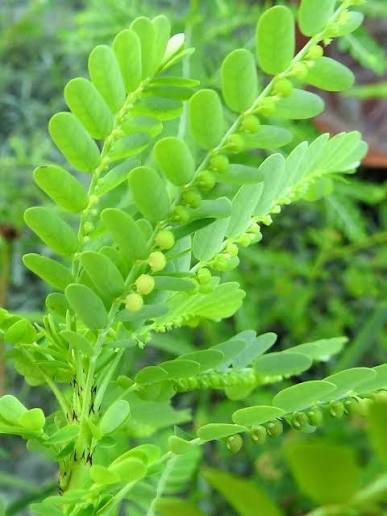
Main Article Content
Abstract
Phyllanthus amarus is widely used in traditional medicine, but safety information for aqueous leaf preparations remains incomplete. This study evaluated acute and 28-day repeated-dose oral toxicity of an aqueous leaf extract in Wistar rats, with emphasis on mortality, clinical signs and haematological indices. In the acute limit-dose study, nine rats were allocated to control, 2000 mg/kg and 5000 mg/kg groups (n = 3) and observed for 14 days. In the repeated-dose study, 25 rats received distilled water or 250, 500, 750 or 1000 mg/kg/day of extract for 28 days. Full blood count was assessed using an automated haematology analyser, and data were analysed by one-way analysis of variance with Tukey post hoc testing. No mortality or overt toxicity occurred in either study. No deaths at 5000 mg/kg indicated an apparent oral median lethal dose above 5000 mg/kg within this design. In the acute study, selected white- and red-cell indices differed between the 2000 mg/kg group and control, with lower values at 5000 mg/kg than at 2000 mg/kg for some indices. During repeated dosing, white-cell and platelet indices did not differ significantly from control. Overall differences were observed for red blood cell count (p = 0.003), haemoglobin (p = 0.005) and haematocrit (p = 0.017), but no treated group differed significantly from control in post hoc comparisons; these differences occurred only among treated groups. The extract showed a low acute and short-term haematological toxicity signal under the study conditions, although organ-specific, chronic and human safety cannot be inferred.
Article Details

This work is licensed under a Creative Commons Attribution-NonCommercial 4.0 International License.
References
1. Patel JR, Tripathi P, Sharma V, Chauhan NS, Dixit VK. Phyllanthus amarus: ethnomedicinal uses, phytochemistry and pharmacology: a review. J Ethnopharmacol. 2011; 138(2): 286-313. Doi: 10.1016/j.jep.2011.09.040
2. Asaduzzaman M, Nahar L, Biswas MS, Podder MK, Rahman MM. Phyllanthus amarus as a multifunctional medicinal herb: bioactive compounds, mechanisms, and clinical perspectives. Pharmacol Res Mod Chin Med. 2026; 18: 100752. Doi: 10.1016/j.prmcm.2026.100752
3. Jantan I, Haque MA, Ilangkovan M, Arshad L. An insight into the modulatory effects and mechanisms of action of Phyllanthus species and their bioactive metabolites on the immune system. Front Pharmacol. 2019; 10: 878. Doi: 10.3389/fphar.2019.00878
4. Mensah MLK, Komlaga G, Forkuo AD, Firempong C, Anning AK, Dickson RA. Toxicity and safety implications of herbal medicines used in Africa. In: Builders PF (Ed.). Herbal medicine. London: IntechOpen; 2019. Doi: 10.5772/intechopen.72437
5. Kushwaha SK, Dashora A, Dashora N, Patel JR, Kori ML. Acute oral toxicity studies of the standardized methanolic extract of Phyllanthus amarus Schum & Thonn. J Pharm Res. 2013; 6(7): 720-724. Doi: 10.1016/j.jopr.2013.04.020
6. Oduola T, Muhammad AA, Aiyelabegan F, Tajudeen M, Okalawon SO. Hepatotoxic assessment of Phyllanthus amarus leaf extract in Wistar rats. Eur J Med Plants. 2018; 23(4): 1-11. Doi: 10.9734/EJMP/2018/41238
7. Abu OD, Okolie NP, Ekperusi SE, Marcel LI. Acute toxicity study of ethanol extract of Phyllanthus amarus leaves in Wistar albino rats. Biomed J Sci Tech Res. 2024; 57(2): 49010-49013. Doi: 10.26717/BJSTR.2024.57.008970
8. Ebhohon SO, Asoya EV, Iyare HE, Akerele OR, Ezedimbu MC. Effect of aqueous leaf extract of Justicia carnea on hematological parameters of male Wistar rats exposed to thioacetamide. Trop J Phytochem Pharm Sci. 2023; 2(2): 55-58. Doi: 10.26538/tjpps/v2i2.2
9. Obidah W, Onoja RI, Johnson J, Eze VF, David A, Suleiman N, Linus VB, Midala SD, Ini M, Ja'afar JN, Zailani HA. Therapeutic and overdose effects of camel urine in male Wistar rats. Trop J Phytochem Pharm Sci. 2025; 4(7): 303-307. Doi: 10.26538/tjpps/v4i7.3
10. Ajani OS, Obiechefu CH, Ake AS. Therapeutic effects of Cyperus esculentus on monosodium glutamate-induced haemo-biochemical and steroidogenic anomalies in male Wistar rats. Trop J Phytochem Pharm Sci. 2025; 4(2): 37-44. Doi: 10.26538/tjpps/v4i2.1
11. Organisation for Economic Co-operation and Development (OECD). Test No. 425: Acute oral toxicity: up-and-down procedure. OECD Guidelines for the Testing of Chemicals, Section 4. Paris: OECD Publishing; 2022. Doi: 10.1787/9789264071049-en
12. Baba RT, Salaudeen RA, Aladodo M, Dangana ZA, Muhammad ZK, Sowole HB, Sani HU, Yakubu F. Acute and sub-acute toxicity studies of Senna alata on mice and Wistar rats. Trop J Phytochem Pharm Sci. 2026; 5(6): 663-671. Doi: 10.26538/tjpps/v5i6.6
13. Okpokam DE, Okere SO, Anyanwu GO. Effect of bread improver dough conditioner used in commercial bread production on some biochemical, oxidative stress and haematological parameters in male Wistar rats. Trop J Phytochem Pharm Sci. 2025; 4(9): 398-403. Doi: 10.26538/tjpps/v4i9.4
14. Organisation for Economic Co-operation and Development (OECD). Test No. 407: Repeated dose 28-day oral toxicity study in rodents. OECD Guidelines for the Testing of Chemicals, Section 4. Paris: OECD Publishing; 2025. Doi: 10.1787/9789264070684-en
15. United Nations. Globally Harmonized System of Classification and Labelling of Chemicals (GHS). (10th revised ed.). New York and Geneva: United Nations; 2023.