

A Review of Benefits and Prospects of Dietary Plant Polyphenols in Plant and Animal Health
Article Sidebar
Main Article Content
Abstract
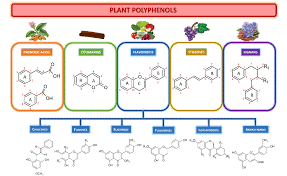
Dietary polyphenols are predominantly natural, but also synthetic or semi-synthetic, organic chemicals characterized by the occurrence of large multiples of phenol structural units. All plant phenolic compounds arise from a common intermediate, phenylalanine, or a close precursor, shikimic acid. They occur primarily in conjugated forms, with one or more sugar residues linked to hydroxyl groups. Seven classes of polyphenolic compounds: phenolic acids, flavonoids, anthocyanidins, proanthocyanidins, stilbenes, tannins and diferuloylmethanes have been detected in diverse plant species. The major dietary sources of plant dietary polyphenols include some common fruits, vegetables and beverages. Plant dietary polyphenols show a substantial structural diversity which mainly influences their actions in both plant and animal physiology. Dietary polyphenols modulate cell signaling pathways in animals and that may significantly explicate the mechanisms of actions of diets rich in polyphenols improving human health. Thus, plant polyphenols can put off degenerative diseases, particularly cancers, cardiovascular diseases and neurodegenerative sicknesses because they are powerful antimicrobial agents, antioxidants against oxidative stress and can boast body immunity. Plant polyphenols are easy and cheap to obtain than the prevalent synthetics contemporary ones used in present day formulation of cosmeceutical and pharmaceutical products. However, some polyphenols may impair body functions. For instance, some polyphenols are known as antinutrients can interfere with the absorption of essential nutrients such as iron, metal ions and other proteins. Grassroots’ awareness on plant dietary polyphenols is therefore recommended for optimum therapeutic application in nutritional intervention, pharmaceutical formulations and clinical settings.
Article Details

This work is licensed under a Creative Commons Attribution-NonCommercial 4.0 International License.
References
Quideau S P, Deffieux D, Douat-Casassus C L, Pouységu L. Plant polyphenols: chemical properties, biological activities, and synthesis. Angewandte Chemie Int Ed 2011;50 (3): 586.
Tsao R. Chemistry and biochemistry of dietary polyphenol. J of Nutr 2010; 2:1231-1246.
Xiuzhen H., Tao S, Hongxiang L. Dietary polyphenols and their biological significance.Int. J. Mol. Sci.2007;8, 950-98.
Eze E I, Agbo C U, Chukwudi U P, Umeh B U. Nutritional, phytochemical and therapeutic attributes of edible wild mushrooms as influenced by substrates in humid tropical environment. Trop J Nat Prod Res. 2024; 8(9): 8461 – 8468 https://doi.org/10.26538/tjnpr/v8i9.31.
Milner J A. Reducing the risk of cancer. In: Goldberg I., editor. Functional Foods: Designer Foods, Pharmfoods, Nutraceuticals. Chapman & Hall; New York, NY, USA 1994; pp 39-70.
Hartman R E, Shah A, Fagan A M, Schwetye K E, Parsadanian M, Schulman R N. Pomegranate juice decreases amyloid load and improves behavior in a mouse model of Alzheimer’s disease. Neurobiol. Dis.2006; 24: 506-515.
Junk W R, Pancost H M. Handbook of Sugars. AVI. Pub. Co. Inc., New York.1973; Pp. 66-140.
Dong Z, Surh Y J, Packer L, Cadenas E. Dietary Modulation of Cell Signaling Pathways. CRC Press, Taylor & Francis Group; Boca Raton, FL, USA.2009;
Watson, E. FOOD navigator-usa.com 2012; Who has self-affirmed GRAS?
Stephan H, Peter M V. TREE 2000; vol. 15, no. 6. PII: S0169-5347(00)01861-9.
Hart J H, Hillis W E. Inhibition of wood-rotting fungi by stilbenes and other polyphenols in Eucalyptus sideroxylon. Phytopath 1974;64 (7): 939–48.
Eze E I,Ishiwu U M, Agbo C U, Chukwudi U P, Odo J O. Substrate effects on the yield, proximate, phytochemical and vitamin attributes of Pleurotus pulmonarius mushroom. Trop J Nat Prod Res. 2024; 8(10), 8819-8825. https://doi.org/10.26538/tjnpr/v8i10.26
Popa V, Dumitru M, Volf I, Anghel N. Lignin and polyphenols as allelochemicals. Ind Crops and Products 2008;27 (2): 144–9.
Nakai S. Myriophyllum spicatum-released allelopathic polyphenols inhibiting growth of blue-green algae Microcystis aeruginosa. Water Res. 2000;34 (11): 3026–32.
Wigglesworth V B. The source of lipids and polyphenols for the insect cuticle: The role of fat body, oenocytes and oenocytoids. Tissue and Cell 1988;20 (6): 919–932.
Armstrong M D, Shaw K N, Wall P E. The phenolic acids of human urine. Paper chromatography of phenolic acids (pdf). The J of Bio Chem 1956; 218 (1): 293–303.
D'Archivio M. Bioavailability of the Polyphenols: Status and Controversies. Int. J. Mol. Sci. 2010; 11 (4): 1321–1342.
Chukwudi UP, Agbo CU, Echezona BC, Eze EI, Kutu FR, Mavengahama S. Variability in morphological, yield and nutritional attributes of ginger (Zingiber officinale) germplasm in Nigeria. Res Crops. 2020; 21:634-642. Doi:10.31830/2348-7542.2020.099.
Mennen L. Risks and Safety of Polyphenol Consumption. Am J ClinNutr 2005; 81 (1): 3265–3295.
Miglio C, Chiavaro E, Visconti A, Fogliano V, Pellegrini, N. Effects of different cooking methods on nutritional and physicochemical characteristics of selected vegetables. J Agric Food Chem 2008; 56 (1): 139–47.
Osagie A U, Eka O U. Nutritional Quality of Plant Foods. Post Harvest Research Unit, Department of Biochemistry, University of Benin, Nigeria. 1998; 229-230.
Lesschaeve I, Noble A C. Polyphenols: factors influencing their sensory properties and their effects on food and beverage preferences. Am J Clin Nutr. 2005; 81 (1) (1 Suppl): 330S-335S.
Tsao R, Yang R., Xie S, Sockovie E, Khanizadeh S. Which polyphenolic compounds contribute to the total antioxidant activities of apple? J. Agric. Food Chem. 2005; 53:4989-4995.
Tanner G. Proanthocyanidin Biosynthesis in Plants. The J of Biol Chem 2003; 278, 31647-31656.
Krasnow M N, Murphy T M. Polyphenol Glucosylating Activity in Cell Suspensions of Grape (Vitisvinifera). J of Agric and Food Chem 2004;52 (11): 3467–3472.
Heleno S A, Martins A, Queiroz M, João R, Ferreira P, Isabel C F R. Bioactivity of phenolic acids: metabolites versus parent compounds: a review. Food Chem 2015; 173: 501–513. ISSN 0308-8146.
Kawsar S M A, Huq E, Nahar N, Ozeki Y. Identification and Quantification of Phenolic Acids in Macrotyloma uniflorum by Reversed Phase-HPLC". Am J of Plant Physiol 2008; 3 (4): 165-172.
Barros L. Dueñas M, Ferreira I C, Baptista P, Santos-Buelga C. Phenolic acids determination by HPLC–DAD–ESI/MS in sixteen different Portuguese wild mushrooms species". Food and Chen Toxicol. 2009; 47 (6): 1076–1079.
McDougall J A. The McDougall Newsletter, June 2006; http://www.drmcdougall.com/misc/2006 nl
Cazarolli L H, Zanatta L, Alberton E H, Figueiredo M S, Folador P, Damazio R G, Pizzolatti M G, Silva F R. Flavonoids: Prospective Drug Candidates. Mini-Reviews in Med Chem 2008; 8 (13): 1429–1440.
Friedman M. Overview of antibacterial, antitoxin, antiviral, and antifungal activities of tea flavonoids and teas.Mol Nut and Food Res. 2007;51 (1): 116–134.
Schuier M, Sies H, Illek B, Fischer H.Cocoa-related flavonoids inhibit CFTR-mediated chloride transport across T84 human colon epithelia. J Nutr. 2005; 135 (10): 2320–5.PMID 16177189.
Yamamoto Y, Gaynor R B.Therapeutic potential of inhibition of the NF-κB pathway in the treatment of inflammation and cancer. J of Clin Investigation 2001; 107 (2): 135–42.
Cushnie T. P, Lamb A. J.Recent advances in understanding the antibacterial properties of flavonoids.Int J of Antimicrobial Agents 2011;38 (2): 99–107.
Anderson, O. M., Jordheim, M.. The anthocyanins. In: Anderson O.M., Markham K.R., editors. Flavonoids: Chemistry, Biochemistry and Applications. CRC Press/Taylor & Francis Group; Boca Raton, FL, USA: 2006. pp. 472–551.
Fans, A. Forbidden rice nutrition, benefits and how to cook it. Food is medicine. 2017; https://draxe.com/forbidden-rice
Schwitters, B. OPC in Practice.Publishing rights search incomplete 1995; p. 15. ISBN 88-86035-13-6.
Haslam E, Cai Y. Plant polyphenols (vegetable tannins): Gallic acid metabolism. Nat Prod Reports. 1994; 11 (1): 41–66.
Drynan J W, Clifford M N, Obuchowicz J, Kuhnert N. The chemistry of low molecular weight black tea polyphenols. Nat. Prod. Rep. 2010; 27: 417–462.
Jindal K K, Sharma R. C. Recent trends in horticulture in the Himalayas. Indus Publishing 2004; ISBN 81-7387-162-0.
Polshettiwar V, Varma R S. Greener and expeditious synthesis of bioactive heterocycles using microwave irradiation. Pure and Appl Chem 2008;80 (4): 777–90.
Schaffer S, Podstawa M, Visioli F, Bogani P, Müller W E, Eckert G P. Hydroxytyrosolrich olive mill wastewater extract protects brain cells in vitro and ex vivo. J. Agric. Food Chem. 2007;55, 5043-5049.
Tuck K L, Freeman M P, Hayball P J, Stretch G L. Stupans I. The in vivo fate of hydroxytyrosol and tyrosol, antioxidant phenolic constituents of olive oil, after intravenous and oral dosing of labeled compounds to rats. J. Nutr. 2001; 131, 1993-1996.
Lattanzio E. Role of phenolics in the resistance mechanisms of plants against fungal pathogens and insects (and references therein). Phytochemistry: Adv in Res. 2006; 23-67. ISBN 81-308-0034-9.
Yang C S, Landau J M, Huang M T, Newmark H L. Inhibition of carcinogenesis by dietary polyphenolic compounds. Ann Rev Nutr. 2001; 21:381–406.
Johnson IT, Williamson G, Musk S R. Anticarcinogenic factors in plant foods: A new class of nutrients? Nutr Res Rev. 1994; 7:175–204.
García-Lafuente A, Guillamón E, Villares A, Rostagno M A, Martínez J A. Flavonoids as antiinflammatory agents: implications in cancer and cardiovascular disease. Inflamm Res.2009; 58:537–552.
Talalay P, De Long M J, Prochaska H J. Identification of a common chemical signal regulating the induction of enzymes that protect against chemical carcinogenesis. Proc Natl Acad Sci USA. 1988; 85:8261–8265.
Waugh A, Grant A W, Ross J S. Ross and Wilson Anatomy and Physiology in Health and Illness (9th ed., p.59-71). Churchill Livingston, an imprint of Elsevier Sci Limited. 2001; 70.
Bamishaiye E I, Muhammad N O, Bamishaiye O M. Haematological parameters of albino rats fed on tiger nuts (Cyperus esculentus) tuber oil meal-based diet. The Int J of Nutr and Wellness. 2009;10 (1).Retrieved from http://ispub.com/IJNW/10/1/9293.[11]
Afolabi K D, Akinsoyinu A O, Olajide R, Akinleye S B. Haematological parameters of the Nigerian local grower chickens fed varying dietary levels of palm kernel cake (p.247). Proceedings of 35th Annual Conference of Nigerian Society for Animal Production 2010; (4).
Guo J J, Hsieh H Y, Hu C H. Chain-breaking activity of carotenes in lipid peroxidation: A theoretical study. J. Phys. Chem. B. 2009; 113:15699–15708.
Santos, M. A, Bonilla V, Martin J. L, Garcia G I. Estimating the selectivity of ozone in the removal of polyphenols from vinasse. Journal of chemical technology and biotechnology, 2005;80 (4): 433–438.
Manach C, Scalbert A, Morand C, Rémésy C, Jimenez L. Polyphenols: food sources and bioavailability. Am J Clin Nutr. 2004; 79:727–747.
Gonthier M. P, Verny M. A, Besson C, Rémésy C, Scalbert A. Chlorogenic acid bioavailability largely depends on its metabolism by the gut microflora in rats. J Nutr; 2003; 133:1853–9.
Lilija J J, Kivisto K T, Backman J T, Neuvonen P J. Risks and safety of polyphenol consumption. Eur J. Clin Pharmacol 2000; 56: 411- 415.
Carbonaro M, Grant G, Pusztai A. Evaluation of polyphenol bioavailability in rat small intestine. Eur J of Nutr 2001;40 (2): 84–90.
Skrabanja V, Laerke H N, Kreft I. Protein-polyphenol interactions and in vivo digestibility of buckwheat groat proteins. PflugersArchiv : Eur J of physiol 2000; 440 (5 Suppl): R129–R131.
Del Rio D, Costa L G, Lean M E J, Crozier A. Polyphenols and health: What compounds are involved?. Nutrition, Metabolism and Cardio Dis 2010; 20: 1.
Saura-Calixto F, Serrano J, Goñi I. Intake and bioaccessibility of total polyphenols in a whole diet. Food Chem 2007;101 (2): 492.
Andriantsitohaina R. Molecular mechanisms of the cardiovascular protective effects of polyphenols. British J of Nutr. 2012; 108:1532-1549.
Hollman P C H. (2011). The biological relevance of direct antioxidant effects of polyphenols for cardiovascular health in humans is not established. J of Nutr. 141:2011; 989S-1009S.
Halliwell B. Dietary polyphenols: Good, bad, or indifferent for your health?. Cardiovasc Res 2007;73 (2): 341–347.
Ivoke N. Preliminary studies on the efficacy of Aloe vera (Aloe barbadensis) extracts in experimental Trypanosoma brucei brucei infection of mice. Bio-Res, 2005; 3(1): 21 – 25.
Ernst E. Interactions between synthetic and herbal medicinal products. Part 2: A systematic review of the direct evidence. Perfusion 2000; 13: 60-70.
Agbo C U, Baiyeri K P, Obi I U. Indigenous Knowledge and Utilization of G. latifolia Benth: A case study of women in the University of Nigeria Nsukka. Bio-Res 2005; 3(2). 66-69.
Gammaniel K S, Akah P A. Analysis of the gastrointestinal relaxing effect of the stem extract of G.latifolium. Phytomed 1996; 2(4): 293-296.
Aburjai T, Natsheh F. M. Plants used in cosmetics. Phytother. Res. 2003;17, 987–1000.
Fukuoka T, Uyama H, Kobayashi S. Synthesis of Ultrahigh Molecular Weight Polyphenols by Oxidative Coupling". Macromolecules 2003; 36 (22): 8213–5.
Dweck A C. Botanicals—Research of actives. Cosmet. Toilet. 1996; 111, 45–57.
Draelos Z D. The cosmeceutical realm. Clin. Dermatol. 2008; 26, 627–632.
Mukul S. Surabhi K, Atul N. Cosmeceuticals for the skin: An overview. Asian J. Pharm. Clin. Res.2011;4, 1–6.
Dureja H, Kaushik D, Gupta M, Kumar V, Lather V. Cosmeceuticals: An emerging concept. Indian J. Pharm. 2005; 37, 155–159.
Dubey N K, Kumar R, Tripathi P. Global promotion of herbal medicine: India’s opportunity. Curr. Sci. 2004; 86, 37–41.
Fowler J F, Woolery-Loyd H, Waldorf H, Saini R. Innovations in natural ingredients and their use in skin care. J. Drugs Dermatol. 2010, 9, s72–s81.
Laroche M., Bergeron J, Barbaro-Forleo G. Targeting consumers who are willing to pay more for environmentally friendly products. J. Consum. Mark.2001;18, 503–520.
Duke S O. Biosynthesis of phenolic compounds—Chemical manipulation in higher plants. Amer. Chem. Soc. Symp. Ser. 1985; 268:113-131.
Duke S O. Natural pesticides from plants.1990; 511-517. In: J. Janick and J.E. Simon (eds.), Advances in new crops. Timber Press, Portland.
Duke S O, Paul R N, Lee S M. Terpenoids from the genus Artemisia as potential pesticides. Amer. Chem. Soc. Symp. Ser.1988; 380:318-334.
Huber B, Eberl L, Feucht W, Polster J. Influence of polyphenols on bacterial biofilm formation and quorum-sensing. Z Naturforsch C 2003;.58 (11-12): 879–84.
Chinekwu J C, Eze E I, Agbo C U, Adikwu, M U. Studies on Phytochemical Constituents andAntimicrobial Activities of Methanol Extractof Ganoderma lucidum (Curtis) on Selected Pathogenic Fungi and Bacteria in Humid Tropical Environment. J of Anim & Plant Sci. ISSN 2071-7024). 2023; 56(1): 10268-10283 https://doi.org/10.35759/JAnmPlSci.v56-1.5.
Egwim E C, Elem, R C, Egwuche R U. Proximate composition, phytochemical screening and antioxidant activity of ten selected wild edible Nigeria mushrooms. Am J of Food and Nutr. 2011; 1 (2): 89-94.
Falodun A. Herbal Medicine in Africa-Distribution, Standardization and Prospects. Res J ofPhytochem. 2010; (4): 154-161.
Eze, E I, Ogonnaya, F N. In-vitro evaluation of antimicrobial activity of ointment containing Physcia grisea extract on Candida albicans. Animal Res Int. 2010; 7(3): 1253 – 1256
Subbulakshmi M, Kannan M.Cultivation and phytochemical analysis of wild mushroomsDaldinia concentrica and Pheolus schweinitzii from Tamilnadu,India. Eur J of Exp Bio. 2016; 6(3):46-54
Uguru M I. Crop Genetics and Breeding. Revised Edition.Ephrata Press, Enugu, Nigeria ISBN: 978-2967-12-2. 2005; 92-93.
Hudler G W. Magical Mushrooms, Mischievous Molds. Princeton, New Jersey: Princeton University Press.ISBN 0-691-07016-4, 2000; p. 175.
Borchers A T, Krishnamurthy A, Keen C. L, Meyers, F. J, Gershwin M. E. The immunobiology of mushrooms". Exp Biol and Med. 2008; 233 (3): 259–76. doi:10.3181/0708-MR-227. PMID 18296732.
Omomowo O I, Akinmusire O. O, Omomowo I O. Bioactivity assessment and structural characterization of polysaccharide from Pleurotus sp (kf415278) using FT-IR, NMR, SEM and SEM-EDX. Nigeria Society for Microbiology 2016 programme and Book of Abstracts. 47-48.
Eze E I, Orjioke C. Phytochemical properties and antimicrobial activities of Physcia grisea on clinical isolate of Salmonella typhi. J of Med and Applied Biosci, 2010; 2: 93-98.
Papadopoulou A, Frazier R A. Characterization of protein-polyphenol interactions. Trends in Food Sc & Tech. 2004; 15 (3-4). pp. 186-190. [ISSN 0924-2244 http://centaur.reading.ac.uk/13092/
Okolie NP, Falodun A, Oluseyi D. Evaluation of the antioxidant activity of root extract of pepper fruit (Dennetiatripetala), and its potential for the inhibition of Lipid peroxidation. Afr J. Trad Compl and Altern Med. 2014; 11(3):221-227. Doi: 10.4314/ajtcam. v11i3.31